Table of Contents
ToggleModern area rugs have become one of the easiest ways to refresh a living room without very costly or requiring professional help. They define spaces, add warmth, and tie furnishings together in ways that paint or rearrangement alone can’t match. Whether someone’s working with a small apartment or a sprawling family room, the right rug changes how the space feels and functions. This guide covers everything needed to pick and place a modern area rug that actually works, from size calculations and material selection to 2026’s trending styles. No fluff, just practical decisions that make a real difference in how a room comes together.
Key Takeaways
- Modern area rugs for living rooms instantly refresh a space by defining zones, adding warmth, and tying furniture together without costly renovations.
- Proper sizing is critical—at least the front legs of major furniture should rest on the rug, with 8×10 or 9×12 feet being standard for most living rooms.
- Wool offers the best long-term durability for living room area rugs, lasting 10+ years, while wool blends provide a practical balance of stain resistance and comfort for high-traffic spaces.
- 2026’s trending palettes emphasize warm neutrals and muted earth tones like oatmeal, caramel, and dusty sage, paired with desaturated jewel tones for sophisticated depth.
- Always use a non-slip rug pad to prevent sliding, protect flooring, and ensure safety, especially on hard floors.
Understanding Modern Area Rug Styles
Contemporary Minimalist Designs
Minimalist rugs lean on clean lines, neutral tones, and open space to let other elements in the room breathe. These designs work whether someone’s placing them over hard flooring or layering them on carpet. A solid cream, soft gray, or warm beige rug with a subtle tone-on-tone texture keeps the focus on furniture and wall art without competing for attention.
The key appeal is versatility. Minimalist rugs pair with nearly any décor style, mid-century modern, industrial, scandinavian, or transitional, and they hide wear better than bold patterns. Look for natural fibers like wool or jute blends for authentic contemporary feel, though polypropylene options offer budget-friendly durability in high-traffic areas.
Bold Geometric Patterns and Color Blocking
Geometric patterns bring energy to a living room without screaming. Modern geometric rugs often feature clean angles, chevrons, hexagons, or interlocking shapes, in contrasting colors like navy and white, charcoal and blush, or teal and cream. Color blocking takes this further by using large blocks of solid color in unexpected combinations.
These designs work best as statement pieces in rooms with simpler furniture or where walls are neutral. A bold patterned rug draws the eye and establishes the room’s personality immediately. The trade-off: patterns date faster than solids, so choose designs that resonate personally rather than chasing micro-trends. Patterns also show footprints and dust more readily than solids, so they’re better for formal living rooms or spaces with less foot traffic.
Selecting the Right Size and Placement
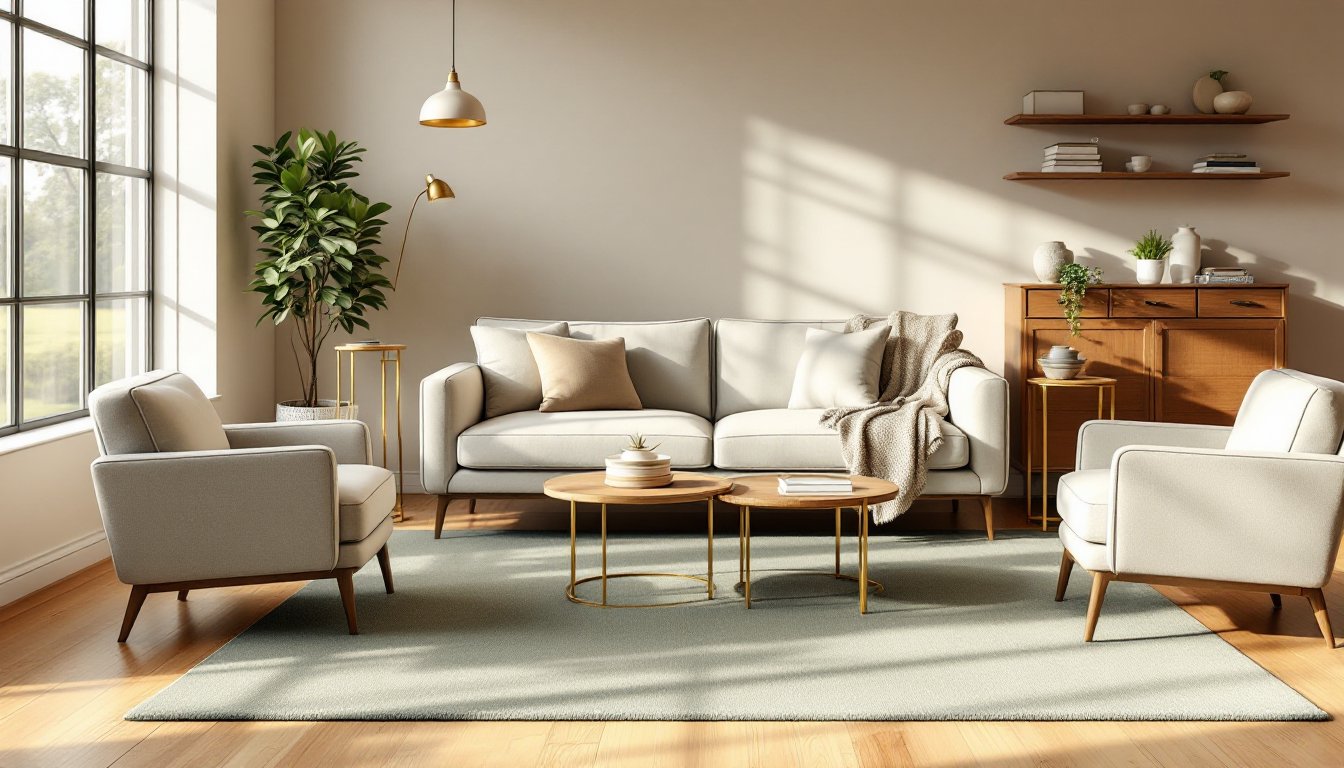
Size mistakes kill more living room rugs than style choices. Most people buy too small. A common guideline: at least the front legs of major furniture should rest on the rug, creating a unified seating zone. For a standard living room setup, that’s typically an 8×10-foot or 9×12-foot rug. Measure the space and sketch it out before shopping, phone notes work fine.
Placement matters as much as size. In an open-concept floor plan, the rug anchors the living area and signals where the room’s conversation zone starts. Position it so the rug extends about 18 inches to 2 feet from the sofa’s back edge toward the center of the room: this creates visual cohesion without crowding the space.
For a small living room, a 5×8-foot rug under a coffee table (with sofa front legs on the rug) defines the area without overwhelming it. In a wide rectangle room, consider two smaller rugs (one under seating, one under a side chair) rather than one large piece that looks awkward.
Avoid centering a rug in the middle of the room or placing it entirely under the coffee table, both feel arbitrary and create visual disconnection. The goal is to tie the furniture arrangement together, not decorate the floor.
Material Choices for Durability and Comfort
Material choice determines how long the rug lasts and how it feels underfoot. Wool is the gold standard for living rooms, it’s naturally durable, resists staining, and softens with age. Wool rugs hold their shape and color better than synthetics, though they cost more upfront. A quality wool rug easily lasts 10+ years with normal care.
Polypropylene and polyester blends offer budget-friendly alternatives for households with kids or pets. They’re stain-resistant and easy to clean, but they wear faster underfoot in high-traffic zones and flatten more readily. These work better as 5-year investments than long-term pieces.
Jute and sisal add natural texture and pair well with minimalist design. They’re scratch-resistant (great with pets), but they stain easily and feel coarser underfoot than wool. Reserve these for lower-traffic living rooms or blend them with wool for a balanced feel.
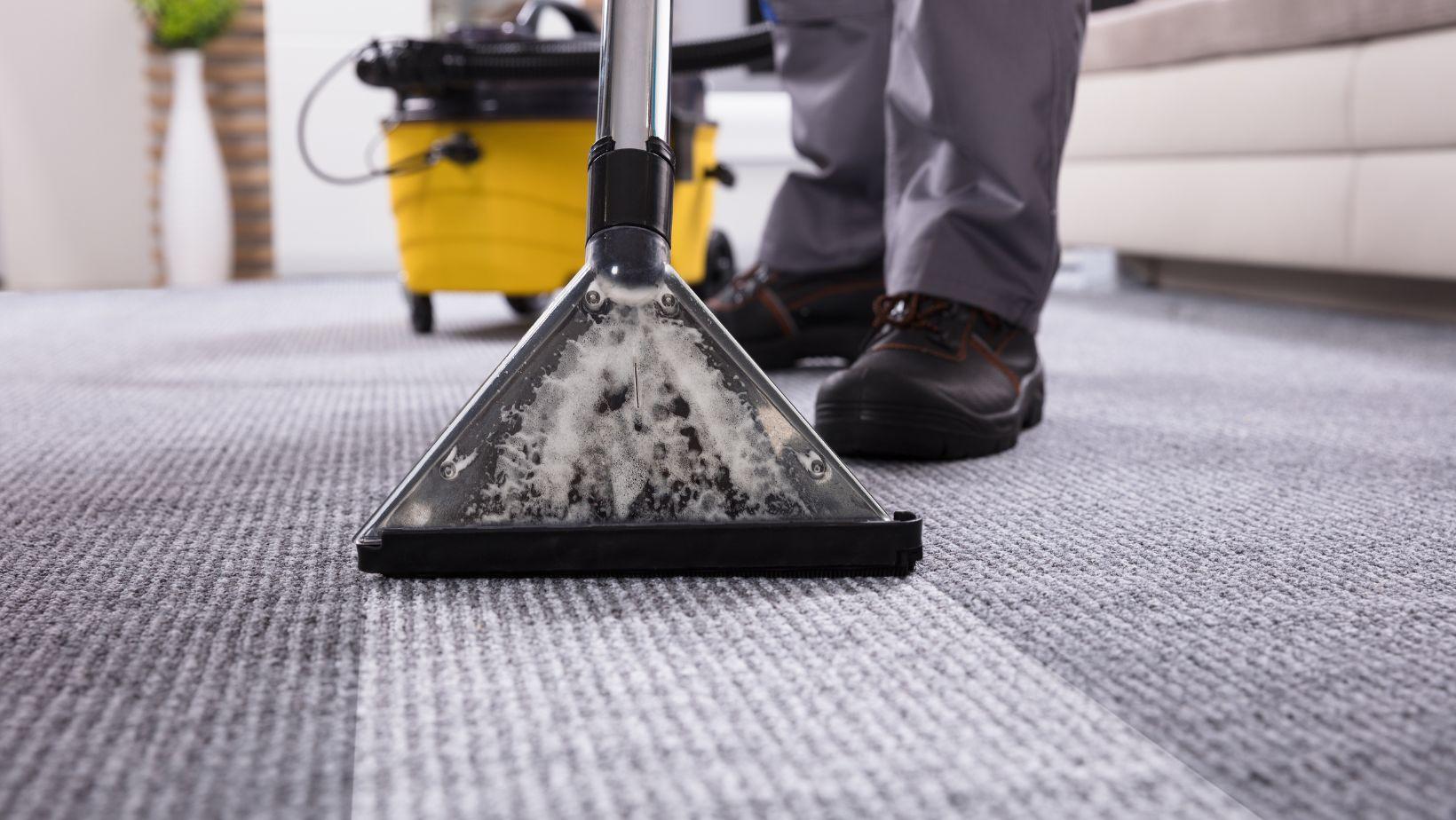
For living rooms with foot traffic, a wool blend (wool with polypropylene or polyester) balances durability, stain resistance, and comfort. Avoid 100% natural fiber in high-traffic areas unless someone plans to refresh the rug every 5-7 years. Check care labels carefully, some rugs require professional cleaning, others handle spot-cleaning at home.
Color Palettes and Design Trends for 2026
Modern 2026 palettes lean toward warmth and authenticity. Warm neutrals, oatmeal, caramel, warm gray, and soft tan, continue to dominate, paired with accent colors that feel earned rather than trendy. Think muted terracotta, dusty sage, or deep charcoal rather than neon or overly saturated hues.
Earth-tone rugs (think clay, rust, soft brown) are having a moment as people seek comfort and grounding in their homes. These pair beautifully with natural wood furniture, linen upholstery, and warm lighting. They hide everyday dirt better than light neutrals too.
For color, restraint wins. A living room rug in a single bold color (forest green, deep navy, warm burgundy) anchors a room more effectively than a multi-color print competing with everything else. If choosing patterns, ensure at least one color in the rug appears elsewhere in the room, a throw pillow, wall color, or artwork, to tie it together visually.
Muted jewel tones (emerald, sapphire, amethyst in desaturated versions) are trending for their depth and sophistication without screaming. A saturated jewel-tone rug works better in rooms with simple, neutral-colored furniture since it becomes the main visual anchor. Pair it with brass or wood accents to stay modern without feeling dated in three years.
Styling Tips to Anchor Your Living Room Layout
A rug is only as good as how it relates to the furniture and room it sits in. Start by defining what furniture must anchor the seating area, usually a sofa and coffee table. Position the rug so these pieces ground the space visually. If a side chair or accent table sits partially off the rug, that’s fine: the main conversation zone should feel unified.
Layering adds sophistication. A textured or patterned rug over a solid base rug (visible at the edges) creates depth, though this works better in larger rooms. A single, well-chosen rug usually performs better than competing layers.
Clear the rug edges. Rugs get lost when furniture surrounds them completely. Leave at least 12–18 inches of visible rug edge around the seating arrangement so the piece reads as intentional, not accidental. This also makes vacuuming easier and prevents furniture from anchoring the rug too tightly, which can cause wrinkles.
Use a non-slip rug pad underneath. It keeps the rug from sliding, protects flooring below, and improves comfort underfoot. This is non-negotiable on hard floors, it’s both a safety issue and a practical one. Even on carpet, a pad prevents shifting.
Consider traffic patterns. If a hallway cuts through the living room or people frequently walk around the seating area, position the rug so main walkways run alongside or behind furniture, not across the center. A well-placed rug guides movement naturally and protects itself from excess wear.