Table of Contents
ToggleProfessional carpet cleaning in Chiswick usually follows six clear stages: assessment, vacuuming, pre-treatment, hot water extraction, stain work, and drying.
If you skip one of those, the result often shows up weeks later as dirt that resurfaces or a carpet that never quite feels clean. Knowing exactly what each stage covers, however, makes it far easier to judge whether a clean has actually done its job.
Let’s explore each one in detail below!
1. The Initial Assessment
A proper clean starts with the technician checking the carpet’s fibre type–wool, synthetic, or a blend–since each reacts differently to heat and cleaning solutions. They also look at soiling levels, existing stains, and any wear that might affect the result.
What matters more in Chiswick than in many areas is access. Permit parking zones around Turnham Green and Chiswick High Road mean vans often need a suspension or visitor permit arranged in advance.
A short conversation at this stage, covering furniture moving and expected finish times, saves confusion later. It’s also the point to flag anything unusual about the job: for example, a carpet fitted over original floorboards, a rug that can’t get wet, or a room with delicate skirting.
Mentioning these details up front means the technician can adjust their approach rather than improvising halfway through the job. This saves time and money, plus, you get to enjoy the sight and feel of your clean carpet faster.
A written quote at this stage should set out the number of rooms, any stain-removal charges, and roughly how long the job will take. Verbal estimates tend to shift once the work is underway, so having it in writing avoids surprises at the end.
2. Vacuuming And Pre-Treatment
Dry vacuuming comes first, and it matters more than most people assume. Grit and dry soil sit deep in the pile, and removing them before any liquid touches the carpet prevents that grit from being ground even further into the carpet during cleaning.
Once vacuuming is done, a pre-treatment solution goes on. This breaks down oils, ground-in dirt, and everyday grime before the main clean begins. The solution needs a short dwell time, usually 5 to 10 minutes, to do its magic.
Some technicians use a gentle agitation brush at this stage on heavily soiled patches. It’s a small step, but it helps the pre-treatment reach fibres that ordinary vacuuming and spraying alone would miss.
3. Hot Water Extraction Cleaning
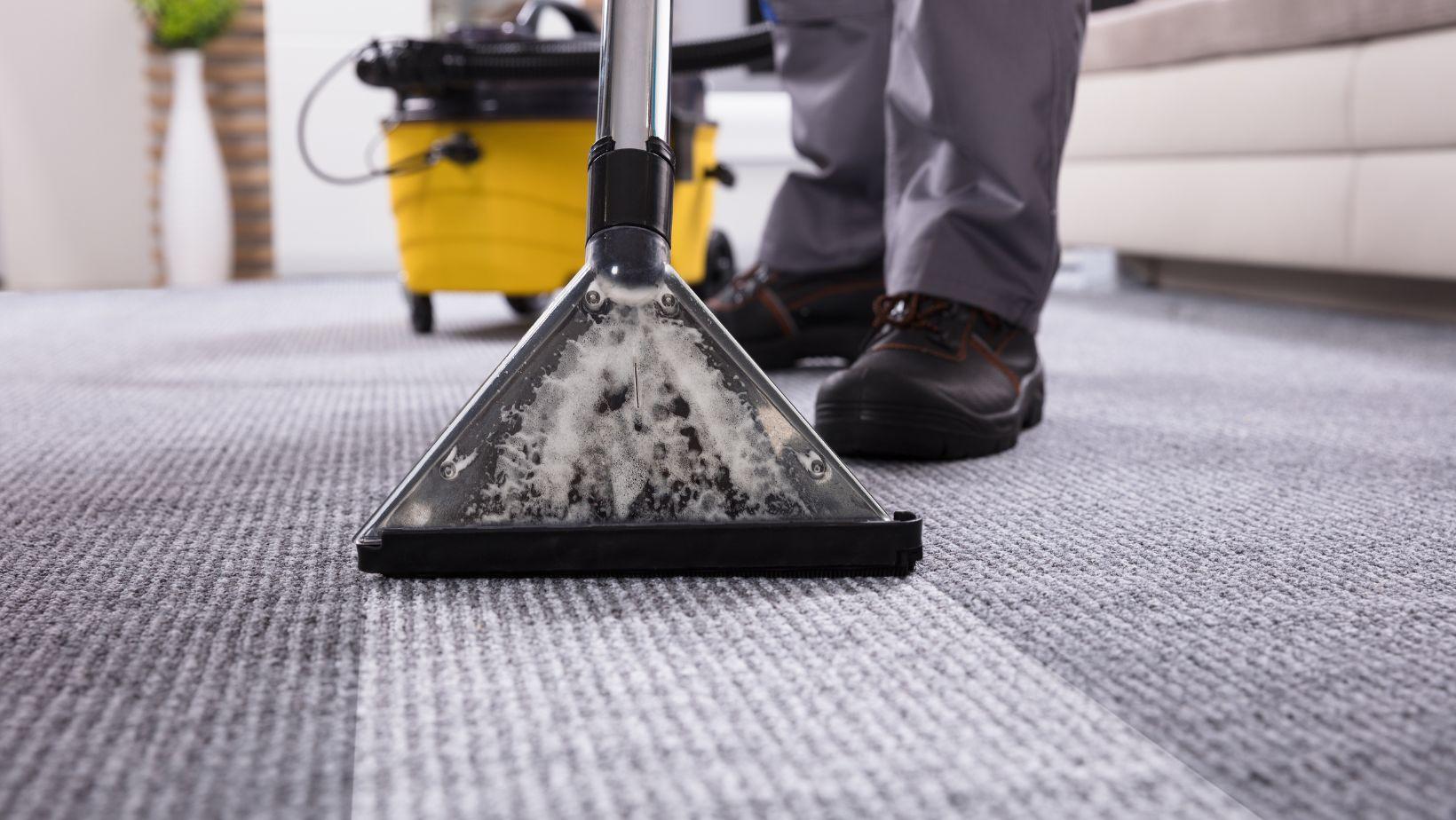
This process is the core of most professional cleans, sometimes called steam cleaning even though no actual steam is involved.
Heated water mixed with a cleaning solution is injected into the carpet under pressure, then immediately pulled back out with a powerful vacuum.
This process lifts dirt, dust mites, and residue from deep within the pile rather than just the surface.
Wool carpets, which are quite common in Chiswick’s older terraces, usually require a lower water temperature to avoid shrinkage or colour bleeding, so a good professional knows that the equipment settings should vary depending on what’s underfoot.
Water pressure and pass count also vary by carpet condition. A lightly soiled guest room might need one or two passes, while a busy living room near a doorway often needs several to lift everything the pre-treatment loosened.
The extraction unit’s suction strength matters as much as the water temperature. Weaker machines, for example, can leave carpets over-wet. This slows drying and increases the risk of the mineral residue mentioned later settling back into the pile.
4. Treating Stains And High-Traffic Patches
Stubborn marks rarely respond to the general clean alone, so they get individual attention. Common examples include:
- Red wine or coffee, treated with an acid-based spotter.
- Pet stains, treated with an enzyme solution that breaks down odour-causing bacteria.
- Ink or grease marks, treated with a solvent-based agent.
Hallways, stairs, and areas near sofas usually need a second pass, since foot traffic packs dirt in more tightly than in a bedroom or spare room.
Older stains that have already set are harder to remove completely, and a technician should say so honestly rather than promise complete disappearance.
Testing a small, hidden patch first is standard practice before any spot treatment goes near a visible stain. It confirms the carpet’s dye won’t react badly to the chosen solution.
5. Drying Times And What Slows Them Down
Most carpets dry within four to eight hours when there’s good airflow through the room. A few factors push that time out considerably: high humidity, a thick underlay, a dense pile, and poor ventilation.
Basement conversions and ground-floor flats near the river, both common in parts of Chiswick, can trap moisture longer than a well-ventilated upper floor. Opening windows, running fans, and lifting curtains off the floor all help speed things along.
It’s important to avoid walking on the carpet for at least four hours after cleaning, since pressure on damp fibres can flatten the pile and pull dirt back up from the backing before it’s had a chance to fully release.
6. Caring For Carpets After A Chiswick Clean
London’s hard water can leave a slight mineral residue if the rinse wasn’t thorough, so carpets sometimes feel a touch stiffer than expected once dry.
A light groom with a carpet rake, once the carpet is fully dry, usually restores the pile’s natural finish and lifts any flattened patches back into shape.
Furniture should stay off the carpet until it’s completely dry, or sit on protective pads if it has to go back sooner. Wooden legs and metal castors can both leave marks on a damp pile, so a few hours’ patience saves a repeat callout.
A gentle vacuum after 24 hours picks up any last loose fibres without disturbing the clean. Most homes do well with a professional clean every six to twelve months, though busier households with pets or children often need it closer to the shorter end.
Conclusion
This is essentially what expert carpet cleaning in Chiswick should cover.
So, ask any cleaner you’re thinking about hiring to walk you through these stages before the work starts, and check how they plan to handle access and parking in advance, since that’s often the part left out of a quick phone quote.
That way, there won’t be any hiccups and delays, and your carpets will be clean and refreshed in no time!