Table of Contents
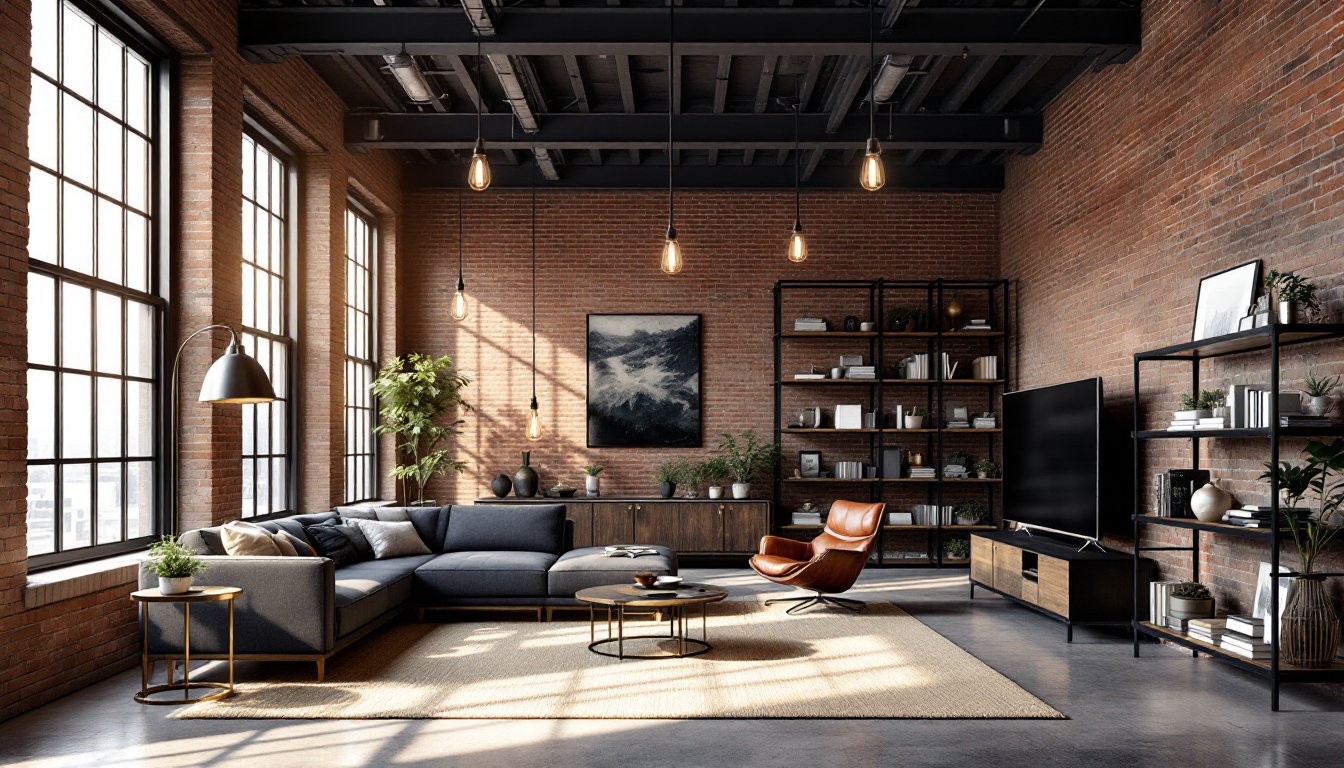
ToggleLoft living rooms present a unique design challenge: abundant vertical space, exposed structural elements, and an open floor plan that demands thoughtful planning. Unlike traditional residential layouts, loft spaces reward bold decisions and strategic material choices. Whether someone’s working with soaring 14-foot ceilings, brick walls, or raw concrete floors, the goal is transforming industrial bones into a comfortable, visually cohesive gathering space. This guide covers practical loft living room ideas that balance aesthetics with functionality, addressing layout, color, lighting, and storage without requiring a designer’s budget.
Key Takeaways
- Embrace exposed brick, concrete, and steel as design anchors—loft living room ideas work best when industrial elements are celebrated rather than hidden.
- Use large-scale furniture and oversized lighting fixtures (24-36 inches) to match soaring ceilings and prevent pieces from looking lost in the open space.
- Define functional zones without walls by using area rugs, floating furniture arrangements, and layered lighting to create psychological separation and natural conversation areas.
- Layer lighting strategically with ambient, pendant, and accent lights on dimmer switches to transform high-ceiling spaces from dim warehouses into warm, inviting living rooms.
- Design visible storage as architectural features using open shelving, wall-mounted units, and baskets in coordinated colors to eliminate clutter while maintaining the industrial aesthetic.
- Choose neutral wall colors paired with warm wood tones and accents through textiles and art to let the loft’s structural features dominate without creating a sterile environment.
Design Principles For Industrial Loft Living Rooms
Industrial loft design starts with honesty about the space itself. Exposed brick, concrete columns, steel beams, and high ceilings aren’t obstacles, they’re anchors. The best loft living rooms embrace these elements rather than hide them.
Start by identifying what stays visible. If brick walls or timber joists are part of the room’s bones, work around them as design features. This means choosing a color palette that complements (not fights) their warmth or coolness. A warm red-brick wall pairs well with warm-toned wood and leather: cool concrete works with steel, glass, and cooler paint tones.
Scale is critical in loft spaces. Oversized furniture, statement lighting, and large-format art avoid looking lost beneath 12+ foot ceilings. A single 8-foot sofa disappears: a 90-inch sectional or two coordinated seating pieces create visual weight. Similarly, a small pendant light won’t cut it, consider sculptural fixtures 24-36 inches in diameter or multiple hanging lights clustered for drama.
One practical principle: define zones without walls. Lofts are open, but that doesn’t mean one undifferentiated space. A wool area rug (typically 8×10 or 9×12 feet) anchors a seating area. A floor lamp or overhead fixture delineates the boundary. This creates psychological separation and helps conversation happen naturally.
Furniture Arrangement And Layout Strategies
Furniture layout in a loft demands a different mindset than a bedroom-adjacent living room. There’s no wall to anchor the sofa against, and awkward sight lines (think a column in the middle of a 30×20-foot room) need workarounds.
Begin with a floor plan sketch, even a rough one. Measure the room, note load-bearing columns, window locations, and radiators or HVAC elements that can’t move. Sketching reveals problems before moving a 300-pound sectional three times.
The floating arrangement works best in most lofts. Position the sofa facing a focal point, a fireplace, wall-mounted TV, or window view, but not against the perimeter. A sofa angled slightly away from a column creates a natural “front” to the seating area. Add an accent chair, ottoman, and side table to form a conversation triangle. This approach feels intentional and uses vertical space efficiently.
Consider traffic flow. Lofts often have stairs, structural elements, and multiple entry points. Furniture shouldn’t block sightlines or force people to squeeze past cushions. Leave at least 36 inches of walking space between pieces and major circulation paths.
For audio/visual setup: wall-mounted TV or projector avoids furniture clutter. If hanging a TV on brick or concrete, use expanding anchors rated for the wall type and plan the mount before drilling. Hide cables behind furniture or inside cable raceways, exposed tangles kill the industrial-chic vibe.
Color Palettes And Material Selections
Neutral Foundations With Accent Elements
Loft living rooms thrive on neutral foundations because the architecture itself is visually busy. Exposed brick, concrete, wood, and structural steel already provide texture and contrast. Painting walls stark white or soft gray allows these elements to breathe.
A practical starting palette: warm whites or soft grays for walls (Benjamin Moore Swiss Coffee or Sherwin-Williams Accessible Beige work reliably), natural wood tones for flooring or accent pieces, and matte black or natural steel for hardware and fixtures. This trio lets the bones of the loft dominate without creating a sterile hospital vibe.
Accent colors, jewel tones, deep charcoal, or warm terracotta, enter through textiles and art rather than paint. An emerald green velvet sofa or mustard-toned throw pillows creates visual interest without overwhelming the space. This approach is also forgiving: swap a few pillows instead of repainting when tastes shift.
Material selection reinforces industrial character while adding comfort. Pair concrete or polished concrete floors with wool area rugs (tough, naturally stain-resistant, and warm underfoot). Incorporate leather or canvas upholstery for durability. Wood accent tables, reclaimed or vintage, bridge the gap between raw industrial and livable comfort. Metal frames on shelving and tables echo exposed beams and columns.
For textiles: linen, canvas, and heavyweight cotton absorb sound better than slick fabrics, critical in open lofts where echoing becomes tiring. Layering textures, rough brick, smooth concrete, soft linen, cool steel, creates visual depth and tactile interest without clashing.
Lighting Solutions For High Ceilings
Lighting in a loft is non-negotiable architecture. Standard ceiling fixtures mounted 12+ feet up barely register. Layered, strategic lighting transforms the space from dim warehouse to warm living room.
Start with functional ambient light. Flush-mount or semi-flush fixtures rated for sloped ceilings work if the ceiling height varies (common in lofts with sloped roofs). For vaulted ceilings, recessed lighting requires careful planning, hire an electrician if unfamiliar with NEC (National Electrical Code) spacing requirements (typically 4-6 feet on center for standard output).
Pendant lights and chandeliers are essential. Hang them 24-36 inches above a dining table and 60-66 inches from the floor for a seating area. Cluster three to five pendant lights 18-24 inches apart rather than one massive fixture, this creates visual rhythm and distributes light evenly. Edison-style or industrial metal fixtures complement raw architecture.
Accent lighting adds layers. Wall sconces flanking a mirror or art installation illuminate vertical surfaces and break up massive blank walls. Floor lamps with sculptural shades or tripod stands provide task light for reading and reinforce furniture zones. Track lighting works if the ceiling is exposed: aim fixtures at art or architectural features rather than blasting the whole room.
Consider color temperature. Warm white lights (2700K) feel inviting: cool white (4000K+) reads industrial but can feel cold. Mix them: warm ambient plus cool accent light on exposed brick creates sophisticated contrast. Install lights on dimmer switches to adjust mood throughout the day.
One practical tip: if installing new fixtures requires running wire through ceiling joists or brick, call a licensed electrician. Structural damage or code violations aren’t worth DIY savings.
Storage And Organization In Open Spaces
Lofts lack closets and walls, making storage visible architecture. The solution isn’t hiding clutter, it’s designing storage that belongs in the space.
Open shelving works brilliantly in lofts. Floating shelves or industrial-style pipe shelving (1/2-inch black iron pipes, installed with flanges anchored into studs) provide clean lines and load capacity. Style them with books, decorative objects, and baskets in coordinated colors to avoid visual chaos. Arrange items in threes or odd numbers for a natural look.
Media storage often dominates a loft living room. A floor-to-ceiling shelving unit (7+ feet tall) claims visual territory and handles books, media, and decor. Anchor tall units to wall studs with L-brackets rated for the unit’s loaded weight to prevent tipping, critical safety measure for homes with children or pets.
Closed storage containers manage everyday items. Woven baskets or wooden boxes on lower shelves hide remotes, blankets, and magazines. Label them or style them consistently so they read as intentional storage, not overflow.
Bench seating with storage underneath serves double duty. A vinyl or leather-topped bench provides seating for the entryway or end of a sofa and houses throw blankets, seasonal décor, or extra cushions underneath. Install with legs rather than a full skirt base, keeps visual lightness in the open space.
One often-overlooked strategy: vertical wall hooks and pegboards. In an open loft, a pegboard near the entry (painted to match the wall) organizes hats, keys, and bags without eating floor space. Industrial-style hooks mounted in a pattern add function and visual interest simultaneously.
Final note: before installing wall-mounted storage, locate studs with a stud finder and anchor shelves with fasteners rated for the wall type (drywall anchors, lag bolts for concrete, or tapcon screws for brick). Overloaded shelves that pull from drywall are frustrating and unsafe.
Conclusion
Designing a loft living room succeeds when it honors the space’s industrial character while prioritizing comfort and function. Embrace exposed materials, choose large-scale furniture, layer lighting thoughtfully, and integrate storage as part of the design rather than hiding it. A well-considered loft living room becomes more than a room, it’s a lifestyle space that celebrates architectural bones and personal style in equal measure. Start with one principle, add pieces intentionally, and the space will feel less like a warehouse and more like home.